
Solution for Dandruff: Effective Ways to Get Rid of Dandruff Naturally

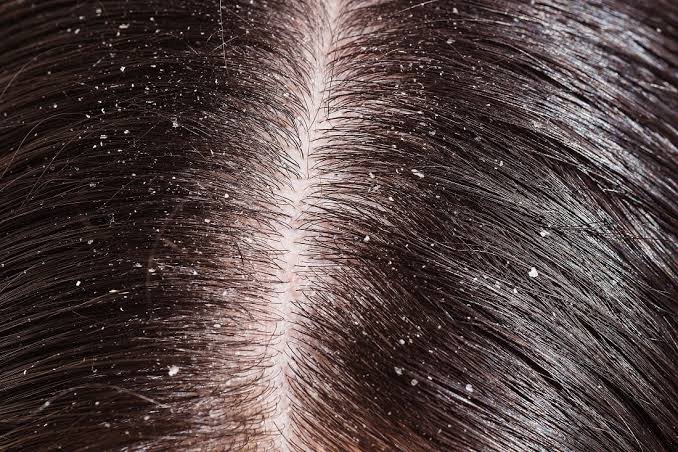
Dandruff is one of the most common scalp concerns, causing white flakes, itching, dryness, and sometimes scalp irritation. If you are looking for a solution for dandruff, it is important to understand that dandruff can have different causes, including excess oil, dry skin, scalp sensitivity, and an overgrowth of a naturally occurring yeast called Malassezia. The good news is that with the right scalp care, healthy habits, and professional guidance when needed, dandruff can often be managed effectively.
At The Derma Bright, we understand that every scalp is different. Instead of simply covering up flakes, the goal should be to identify what is causing your dandruff and choose an appropriate approach for healthier-looking hair and scalp.
What Causes Dandruff?
Before choosing a solution for dandruff, it helps to understand why it develops. Dandruff is not always caused by poor hygiene. In many cases, it is linked to changes in the scalp environment.
Common causes include:
- Excess oil production on the scalp
- Dry or irritated skin
- Overgrowth of Malassezia yeast
- Infrequent or improper hair washing
- Use of unsuitable hair-care products
- Stress and lifestyle changes
- Sensitivity to certain hair products
- Certain skin conditions affecting the scalp
For some people, dandruff may appear as small, dry white flakes. Others may experience greasy, yellowish flakes accompanied by itching and redness. Understanding the type of dandruff you have can help determine the most suitable treatment.
Solution for Dandruff: Start With the Right Scalp Care
A good scalp-care routine is an important first step when dealing with dandruff. Washing your hair regularly can help remove excess oil, dead skin cells, sweat, and product buildup.
However, washing your hair too frequently with harsh products can also irritate the scalp. The goal is to maintain a healthy balance.
Choose a Suitable Anti-Dandruff Shampoo
An anti-dandruff shampoo may help control flaking and reduce scalp buildup. Depending on the cause and severity, products containing ingredients such as ketoconazole, zinc pyrithione, selenium sulfide, or salicylic acid may be recommended.
Always follow the product instructions and avoid leaving medicated products on the scalp longer than directed.
Avoid Scratching Your Scalp
Itching can make dandruff frustrating, but repeatedly scratching the scalp may increase irritation and can sometimes cause small skin injuries.
Instead of scratching:
- Use gentle scalp-massage techniques while washing.
- Keep your fingernails short.
- Avoid aggressive brushing.
- Use products designed for your scalp type.
These simple steps can support a healthier scalp environment.
Solution for Dandruff Naturally: What Can Help?
Many people search for a solution for dandruff naturally because they prefer simple home-based approaches. While some natural habits can support scalp health, they should not be considered a guaranteed cure.
Maintain a Balanced Hair-Washing Routine
Keeping the scalp clean can help reduce oil and buildup. People with oily scalps may need more frequent washing than those with dry scalps.
Choose a gentle shampoo and adjust your washing routine according to your scalp’s needs.
Be Careful With Home Remedies
Ingredients such as coconut oil, aloe vera, or diluted tea tree oil are often discussed as natural options for scalp care. However, natural does not automatically mean suitable for everyone.
Applying strong or undiluted ingredients directly to the scalp can cause irritation or an allergic reaction. If your scalp is already red, itchy, or sensitive, it is better to speak with a dermatologist before trying home remedies.
Follow a Healthy Lifestyle
Your overall lifestyle can also influence your skin and scalp health. Try to:
- Eat a balanced diet.
- Drink enough water.
- Get adequate sleep.
- Manage everyday stress.
- Avoid excessive use of styling products.
- Keep combs, brushes, and pillowcases clean.
These habits may not eliminate dandruff on their own, but they can contribute to healthier scalp care.
Best Cure for Dandruff: Why the Cause Matters
People often search online for the best cure for dandruff, but there is no single treatment that works equally well for everyone. The right approach depends on whether your scalp is oily, dry, sensitive, inflamed, or affected by another skin condition.
For example, someone with an oily scalp may require a different approach from someone experiencing dryness or irritation from hair products.
This is why identifying the underlying cause is an important part of effective dandruff management.
Best Way to Treat Dandruff According to Your Scalp Type
The best way to treat dandruff is to choose a routine based on your specific scalp condition rather than copying someone else’s treatment.
Oily Scalp Dandruff Treatment
An oily scalp can encourage buildup of oil and dead skin cells, which may contribute to dandruff. People with oily scalps may benefit from a suitable cleansing routine and an anti-dandruff product recommended for their needs.
Avoid applying heavy oils directly to an already oily scalp unless advised by a professional, as this may make the scalp feel more greasy.
Dry Scalp With Flaking
If your scalp is dry, harsh shampoos and excessive washing may make the problem worse. A gentle cleansing routine and suitable moisturizing scalp products may be more appropriate.
It is also important to distinguish between simple dryness and actual dandruff because they can look similar but may require different care.
Persistent Itching or Redness
If dandruff is accompanied by significant redness, swelling, severe itching, thick scales, sores, or hair loss, it may be more than ordinary dandruff. Conditions such as seborrheic dermatitis, psoriasis, eczema, or fungal infections can cause similar symptoms.
In such cases, professional evaluation is recommended.
Best Anti Dandruff Treatment: When Professional Care Can Help
If regular scalp care and over-the-counter products are not improving your dandruff, it may be time to consult a dermatologist.
A dermatologist can examine your scalp and determine whether the problem is ordinary dandruff or another scalp condition. Depending on the diagnosis, treatment may include medicated shampoos, topical treatments, or other appropriate therapies.
A professional approach can be particularly useful when:
- Dandruff keeps returning.
- Your scalp is very itchy or irritated.
- Flakes are thick or persistent.
- You notice redness or inflammation.
- You have unexplained hair shedding.
- Store-bought treatments are not helping.
Anti Dandruff Scalp Treatment: Build a Long-Term Routine
Dandruff can come and go, so treating it once may not always be enough. Maintaining a consistent scalp-care routine can help keep symptoms under control.
An effective routine may include:
- Washing the scalp regularly with a suitable shampoo.
- Using an anti-dandruff product when recommended.
- Avoiding harsh chemicals and excessive heat.
- Limiting unnecessary styling-product buildup.
- Keeping brushes and combs clean.
- Avoiding frequent scratching.
- Following professional advice if symptoms persist.
Consistency is often more useful than constantly switching between different products.
Common Dandruff Mistakes to Avoid
Sometimes, attempts to remove dandruff can actually irritate the scalp further. Avoid these common mistakes:
Using Too Many Products
Switching between several shampoos, oils, masks, and treatments can make it difficult to know what is helping or causing irritation.
Scrubbing the Scalp Aggressively
Dandruff flakes should not be forcibly scraped off. Aggressive scrubbing can damage the scalp and increase inflammation.
Applying Undiluted Essential Oils
Essential oils can irritate sensitive skin when used incorrectly. Always use them cautiously and seek professional advice if you have a sensitive scalp.
Ignoring Persistent Symptoms
If dandruff continues despite consistent care, do not simply keep trying new products. Persistent symptoms may require a proper scalp evaluation.
When Should You See a Dermatologist?
Mild dandruff can often be managed with proper scalp care. However, professional advice is recommended if your symptoms are persistent or severe.
Consider consulting a dermatologist if:
- Dandruff does not improve after several weeks of appropriate care.
- Your scalp becomes painful, swollen, or very red.
- You experience intense itching.
- Thick scales develop.
- Dandruff spreads to other areas of the face or body.
- You notice unusual hair loss.
- You are unsure whether you have dandruff or another scalp condition.
Getting the right diagnosis can save time and prevent unnecessary experimentation with multiple products.
Conclusion:
Dandruff can be frustrating, but it does not have to control your confidence or daily routine. The key is to understand your scalp, maintain consistent hygiene, avoid irritating practices, and choose products or treatments that match your specific needs. While natural scalp-care habits can support overall scalp health, persistent or severe dandruff may require professional dermatological care.
If you are struggling with recurring flakes, itching, or an oily scalp and want a personalized solution for dandruff, consult the experts at The Derma Bright. Get professional guidance to understand your scalp condition and find a suitable approach for healthier, more comfortable scalp care. Book a consultation with The Derma Bright today and take the first step toward managing dandruff effectively.
Book Your Consultation Today!
Ready to compare Exosomes vs PRP hair treatment in Lucknow for healthier, glowing skin and revitalized hair? Our expert team at thedermabright is here to guide you at every step of your aesthetic journey.
- Contact Us – Speak directly with our team in Lucknow
- About Us – Learn more about our approach
- Visit Our Website – Explore our full range of advanced hair and skin treatments online.
Clinic Location
The Derma Bright Clinic, 3/89, Vivek Khand 2, Gomti Nagar, Lucknow, 226010
Call – 08737993810 | Get Directions
First Floor, Alkapuri Chauraha, C-31, Science City Road, Ekta Vihar, Sector CS, Aliganj, Lucknow, Uttar Pradesh 226024
Call – 078002 25599 | Get Directions